


































ニュース News
News: SDGs 2
-
-
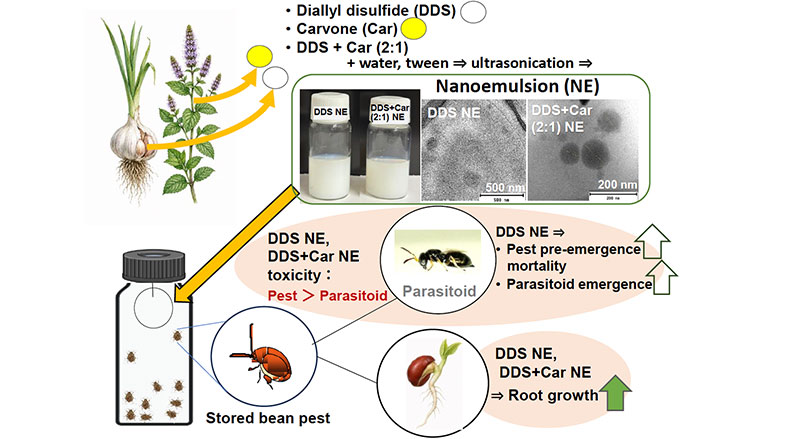
Research ResultsEnvironment & SustainabilityNatural insecticide made by nanoemulsification of compounds found in garlic and spearmint found to be effective on adzuki bean beetles with low non-target impacts
Professor Midori Tuda
Faculty of Agriculture
2026.08.07
-
-
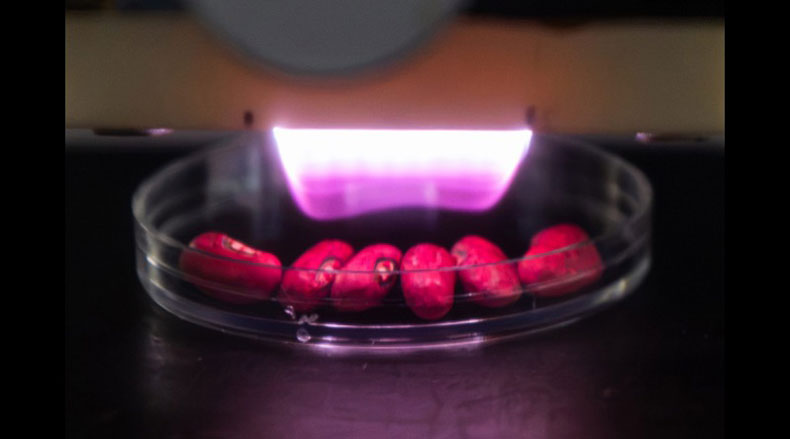
Research ResultsPhysics & ChemistryTechnologyEnvironment & SustainabilityPlasma Agriculture makes strides towards super-seeding conventional methods Researchers review the latest results and understanding of mechanisms behind this new field of research where seeds show higher yields and resilience following flash treatment in low-temperature plasma
Professor Kazunori Koga
Faculty of Information Science and Electrical Engineering
2026.07.24
-
-
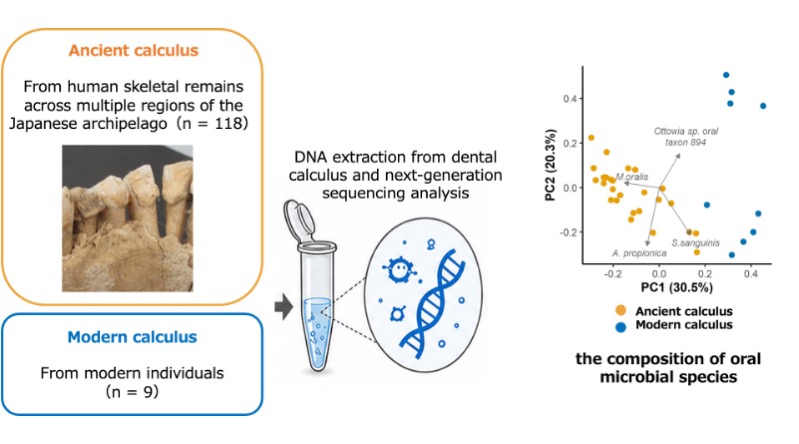
Research ResultsHumanities & Social SciencesWhat dental calculus can tell us about the oral microbiomes of ancient Japan Microbe DNA from ancient dental calculus offers insights into past oral microbiomes of the Japanese people, including the phylogeny of the periodontal disease-associated archaeon, M. orali
Associate Professor Shiori Yonemoto / Associate Professor Kyoko Funahashi
Kyushu University Museum/Faculty of Social and Cultural Studies
2026.06.29
-

-
Research ResultsLife & HealthNew method enables accurate sequencing of short peptides hidden in food and human body A new chemical tagging approach enables direct, reliable sequencing of short peptides without relying on databases, opening new possibilities for food science, nutrition, and biomedical research
Professor Mitsuru Tanaka
Faculty of Agriculture
2026.06.16
-

-
Research ResultsHumanities & Social SciencesEnvironment & SustainabilityHow Alaska Native communities navigate a potential $170 billion gold mine Japanese researchers find that simple ’support’ or ’opposition’ cannot capture the full complexity of Alaska Native communities’ decision-making
Associate Professor Hiroko Ikuta
International Student Center
2026.05.29
-
-
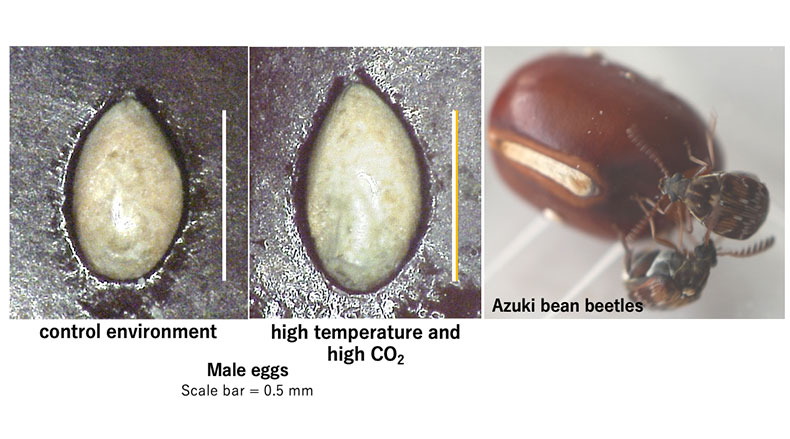
Research ResultsLife & HealthEnvironment & SustainabilityBeetles under climate stress lay larger male eggs: Wolbachia infection drives adaptive reproduction strategy in response to rising temperature and CO₂ Researchers find that azuki bean beetles, a common pest, produce larger eggs yielding male offspring when infected with Wolbachia bacteria under elevated temperature and carbon dioxide conditions
Professor Midori Tuda
Facutly of Agriculture
2025.07.11
Search
Search