

































研究成果 Research Results
- TOP
- News
- Research Results
- How Alaska Native communities navigate a potential $170 billion gold mine
How Alaska Native communities navigate a potential $170 billion gold mine
Japanese researchers find that simple ’support’ or ’opposition’ cannot capture the full complexity of Alaska Native communities’ decision-makingAssociate Professor Hiroko Ikuta
International Student Center
2026.05.29Research ResultsHumanities & Social SciencesEnvironment & Sustainability
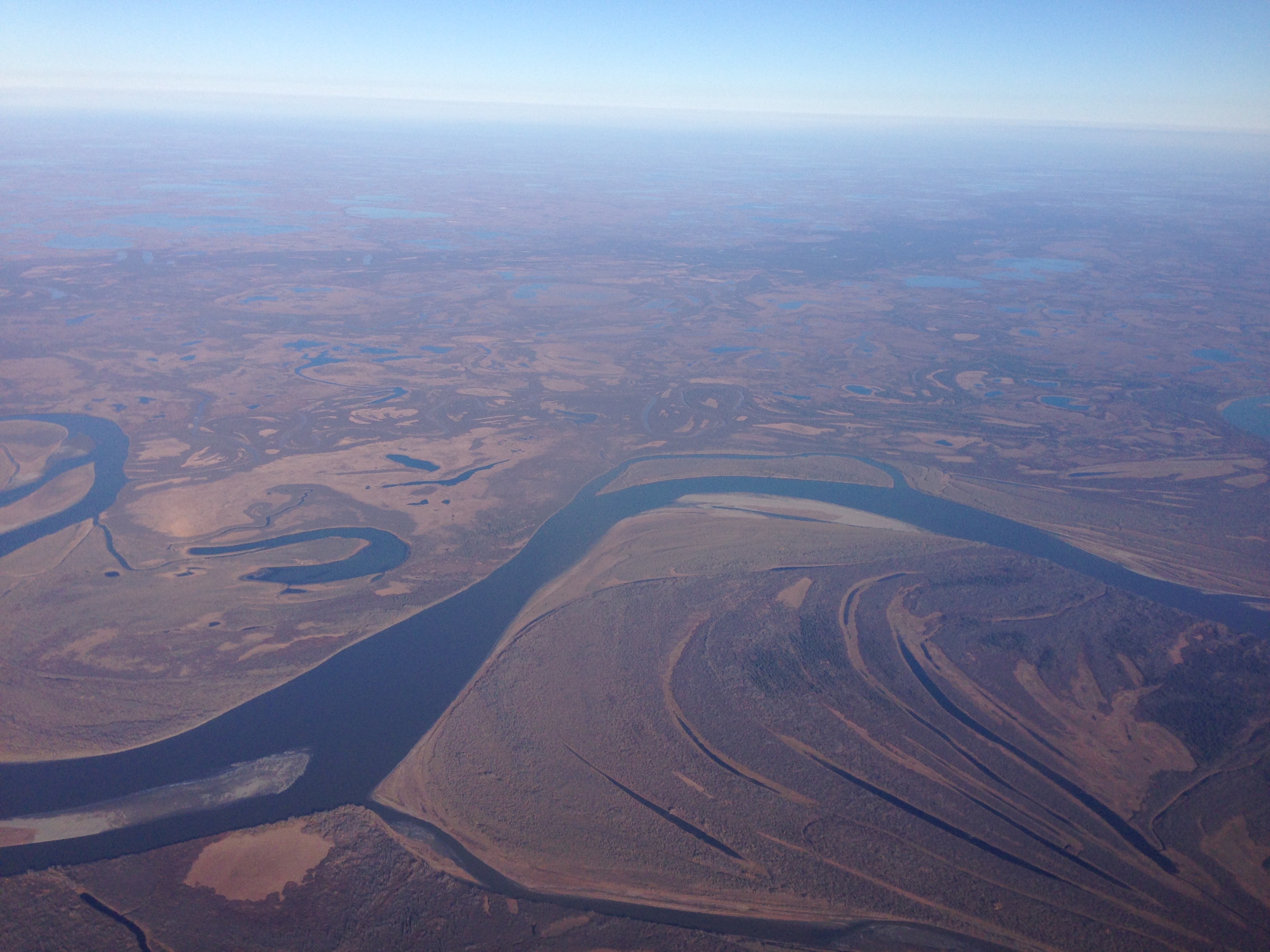
Fukuoka, Japan—Sitting at the northwestern edge of North America, Alaska stretches across a vast Arctic land of wilderness, culture, and wealth beneath the surface. Among its resources is the Donlin Gold deposit, located in southwestern Alaska’s Kuskokwim River basin. As one of the world’s largest undeveloped gold mines, it holds an estimated 39 million ounces worth more than 0 billion at today’s prices.
A study published May 25 in the Journal of Anthropological Research analyzes the region’s complex debates surrounding resource development and cultural survival. It finds that Alaska Native communities hold multiple, often conflicting roles in the mine’s development.
“To understand the situation today, we have to go back to 1971,” says Hiroko Ikuta, Associate Professor at Kyushu University’s International Student Center and the study’s first author. That year, the U.S. Congress passed the Alaska Native Claims Settlement Act (ANCSA), transferring 11% of land and resource rights to Alaska Native peoples. The law, however, required them to organize as for-profit corporations, turning Indigenous individuals into shareholders.
With gold prices surging and most permits approved, the Donlin project is now closer to a final decision than ever. If the mine proceeds, Native corporations would receive billions in revenue while local residents gain priority access to jobs.
Yet alongside the cash economy runs a parallel system of culture and survival.
“Subsistence activities such as hunting and fishing are not hobbies in this region,” explains Ikuta, drawing on two decades of living in Alaska. In Western Alaska, these practices are essential to daily life, with annual harvests exceeding 172 kilograms per person—roughly three times the average annual meat and seafood consumption in Japan. “For them, salmon, moose, and other wild foods are as important as rice is across East Asia.”
One of the major concerns surrounding the Donlin project is its impact on this subsistence system. With limited road access, transportation would rely on barges along the Kuskokwim River, potentially disturbing salmon spawning grounds.
The extraction method adds another layer of risk. Cyanide leaching, used to separate gold from rock, leaves behind toxic waste stored in large tailing dams. Such dams have failed at mines elsewhere, and some residents fear the environmental risks are being understated. Several local communities have filed lawsuits demanding further review.
Yet community opinions cannot be easily divided into "support" or "opposition", as they experience the risks differently. For example, downstream Yup’ik communities, who rely heavily on salmon for winter food storage, are most concerned about water contamination, while upstream Northern Dene communities focus more on land-based ecological impacts. Shareholders living in cities like Anchorage, meanwhile, stand to benefit from corporate dividends while relying little on subsistence practices.
These divisions can even run through a single person. “The same person can be a corporate shareholder, a subsistence harvester, and a parent worrying for future generations,” says Ikuta. “These identities do not cancel each other out. They collide and coexist."
Ikuta is currently continuing her research on how mine tailings affect subsistence hunting and fishing, hoping to provide communities with more objective data for future decision-making.
As resource development and environmental pressures, including climate change, mount on traditional lands, Indigenous communities worldwide must increasingly navigate the tension between economic opportunity, sovereignty, and responsibility.
“In Alaska, there have been cases where communities successfully balanced development, cultural survival, and environmental stewardship,” says Ikuta. “I don’t have an answer on what sustainable development should look like for Indigenous peoples. However, any approach may need to consider the diversity of Indigenous communities, their perspectives on well-being, and how externally imposed frameworks shape outcomes.”
###
For more information about this research, see “Donlin Gold and the Politics of Extraction: Navigating Indigenous Sovereignty, Native Corporations, and Subsistence in Southwestern Alaska,” Hiroko Ikuta, Ryo Kubota, Journal of Anthropological Research, https://doi.org/10.1086/740858
Research-related inquiries
Hiroko Ikuta, Associate Professor
International Student Center
Contact information can also be found in the full release.
- TOP
- News
- Research Results
- How Alaska Native communities navigate a potential $170 billion gold mine